
The liver plays a crucial role in a child’s growth, metabolism, and immunity. Pediatric Liver Care focuses on the prevention, early detection, and management of liver diseases in infants, children, and adolescents. Timely diagnosis and expert care ensure healthy liver function and support overall development.
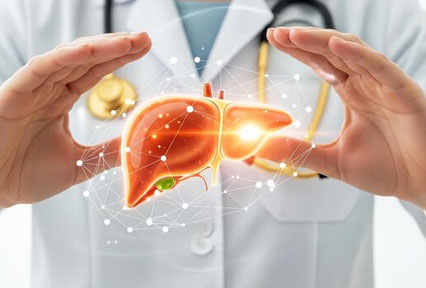
Liver diseases in children are increasingly being recognized, yet they are often difficult to diagnose early because symptoms may be subtle or nonspecific.
The liver plays a vital role in metabolism, digestion, detoxification, and growth. When liver function is affected in children, it can lead to significant health complications if not identified early.
As a Pediatric Gastroenterologist and Hepatologist, Dr. Anil Tambe specializes in the diagnosis and treatment of liver diseases in infants, children, and adolescents. :contentReference[oaicite:0]{index=0}
Several liver conditions can affect children at different ages.
Parents should seek medical advice if a child develops the following symptoms:
These symptoms may indicate underlying liver dysfunction.
Evaluation of liver disease in children typically includes:
In some cases, specialized imaging, genetic analysis or liver biopsy may be necessary.
Treatment depends on the underlying cause and severity of the condition.
Management may include:
Early diagnosis greatly improves treatment outcomes.
For children with advanced liver disease or acute liver failure, liver transplantation can be life-saving.
Advances in surgical techniques and post-transplant care have significantly improved survival rates.
Many children are able to return to normal school and daily activities after successful transplantation. :contentReference[oaicite:1]{index=1}
Early evaluation by a pediatric liver specialist helps prevent complications and ensures appropriate management.
Dr. Anil Tambe is a Pediatric Gastroenterologist and Hepatologist in Mumbai with expertise in the diagnosis and management of complex liver diseases in children.
His clinical interests include:
Dr. Tambe works closely with multidisciplinary teams to provide comprehensive care for children with liver disorders.
The liver performs vital functions such as detoxification, energy storage, and nutrient metabolism. Even mild liver problems can affect a child’s appetite, energy, and growth. Early and specialized intervention helps prevent complications and promotes complete recovery.
Managing liver disorders can be overwhelming for families. Our care model focuses on clear communication, regular follow-ups, and family education throughout the treatment journey. We work closely with pediatricians, dietitians, and transplant surgeons to provide coordinated care.
Pediatric liver care is not just about treating disease — it is about restoring health and confidence in every child. With compassionate, evidence-based, and child-centered care, we aim to help every young patient lead a healthy and active life.
Common liver conditions in children include jaundice, hepatitis, biliary atresia, fatty liver, and metabolic or genetic liver disorders. Early diagnosis and treatment help prevent long-term complications.
You should consult a pediatric liver specialist if your child has yellowing of the eyes or skin, pale stools, dark urine, persistent vomiting, loss of appetite, or poor growth. These may be signs of liver dysfunction.
Diagnosis usually involves a physical exam, blood tests to check liver function, ultrasound or imaging studies, and sometimes liver biopsy. All tests are done with utmost care to ensure your child’s comfort and safety.
Yes, many liver diseases are treatable with timely diagnosis, proper medication, and nutritional support. Some chronic conditions may require regular monitoring or specialized treatment plans for long-term care.
Ensure a balanced diet, maintain vaccination schedules (especially Hepatitis A and B), avoid unnecessary medications, and encourage healthy lifestyle habits. Regular check-ups help detect liver issues early.